About us
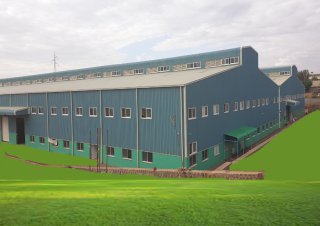
Factory building
Abay Printing and Paper Packaging Factory overview
Abay Printing and Paper Packaging Factory is a premier full service printing and packaging enterprise based in Ethiopia, Bahir Dar, Specializing in commercial printing, books production, paper packaging, and security printing. Established with advanced Technology and a skilled workforce, it servise diverse sectors locally and internationally, delivering high quality, innovative and sustainable solutions.
Core Values
Innovation: Embracing ew technologies and continuous improvement customer
Focus: prioritize client needs and building lasting partnerships
Quality: commitment to highest product and service standards
Teamwork: Promoting collaboration and shared goal social community development
Safety: Ensuring safe and healthy workspace with zero injuries.
Vision
Deliver exceptional printing and packaging solutions through innovation, quality, and sustainability, consistently exceeding client expectations.
Mission
To be the leading and most trusted printing and packaging manufacturer in eas and centeral Africa, renowned for innovation and setting the highiest standards of excellence in industy.
At Abay Printing and Paper Packaging Factory pride in its ability to deliver exceptional quality assurance (qa) and rapid turnaround times. Our robust in-house capabilities ensure that every project meets or exceeds client expectations while maintaining operational efficiency.
Key elements of our quality assurance processes
Experienced professionals oversee each stage of production from prepress to final output ensuring meticulous checks at every step.
Advanced tools like adobe acrobat, color management systems, and calibration software ensure precise color accuracy before production begins.
Continuous monitoring during printing ensures color consistency, proper registration, and material integrity, supported by documented standard operating procedures sops.
Tools such as densitometers, magnifiers, validate print accuracy and precision.
Thorough checks on finishing processes like trimming, binding, and lamination ensure the final product meets the highest standards.
Environmental Impact reduction
Environmental management systems (ems) are vital frameworks that enable organizations to reduce their environmental impact, enhance sustainability, and ensure regulatory compliance Abay printing factory has implemented ems across the entire product life cycle in its printing operations:
Resource efficiency: During pre-production planning, material usage is optimized to minimize waste. Employees are incentivized to reduce waste through allowances and rewards for returning unused materials.
Waste management: waste and rework are minimized by adopting change management tools such as kaizen and lean manufacturing principles, which streamline processes and improve efficiency.
Recycling: abay printing collects and sells all waste materials, including paper, ink cartridges, and aluminum plates, to recycling facilities, ensuring these resources are reused rather than discarded.
Packaging: abay printing uses eco-friendly packaging solutions, such as recyclable, biodegradable, or reusable paper crafted locally in ethiopia, reducing reliance on non-sustainable materials.
Product disposal: customers are encouraged to order non-laminated book covers, which are easier to recycle or biodegrade, promoting responsible end-of-life disposal of products.
Carbon emission reduction: trees are planted around the factory premises to absorb co2 emissions, serving as a supportive practice that complements the company’s broader environmental efforts.
Paper bag production: one of Abay printing’s key product is paper bags, which positively impacts environmental management by reducing plastic pollution, utilizing renewable resources, supporting recycling initiatives, and encouraging sustainable
consumer behavior. These benefits are maximized when sustainable practices are
consistently applied throughout the product’s lifecycle.